All Categories
Featured
Equity Consolidation Guide for Local Residential Or Comme...
Improving Your Financial Method With Regional Assistance
Restoring Your Credit Rating After the 2026 Economic Shift
:max_bytes(150000):strip_icc()/digging-out-of-debt_final-b14f7e15866443b3a3b87745ea178ef8.png)
Why 2026 Is the Time to Enhance Your Financial obligation
Table of Contents
Integrating Financial Commitments in Philadelphia Pennsylvania
Handling a home budget plan in 2026 needs a high degree of accuracy as digital payment systems and subscription-based services have fragmented monthly expenses. For many homeowners in Philadelphia Pennsylvania, the difficulty is no longer simply the overall quantity owed, but the logistical intricacy of tracking various due dates, rates of interest, and lender requirements. Expert debt management has moved away from high-interest personal loans towards structured, nonprofit-led programs that focus on long-term fiscal health over temporary liquidity.
Efficiency in 2026 focuses on the consolidation of multiple high-interest commitments into a single, workable monthly payment. This process often includes working with a 501(c)(3) not-for-profit credit therapy agency to work out with lenders. Unlike conventional consolidation loans that might merely move financial obligation from one account to another, these programs concentrate on decreasing interest rates and getting rid of late costs. Such a shift is especially appropriate in the current economic climate, where shifting rate of interest have actually made charge card balances progressively challenging to retire through minimum payments alone.
Economic information from early 2026 recommends that households making use of professional management plans see a marked improvement in their credit profiles compared to those attempting to deal with multiple lenders individually. The structured nature of a Financial obligation Management Program (DMP) ensures that payments are distributed properly throughout all getting involved accounts. This systematic technique lowers the risk of missed due dates that frequently result in charge rates and credit history damage.
Debt consolidation Methods for 2026 Budget plans
The distinction between a personal consolidation loan and a not-for-profit management plan is substantial for anyone seeking to support their finances in the surrounding area. A debt consolidation loan is essentially a new credit line utilized to settle existing ones. While this can streamline payments, it frequently needs a high credit score to protect a beneficial rate. In contrast, a DMP organized through a company approved by the U.S. Department of Justice does not rely on getting new financial obligation. Rather, it relies on the agency's existing partnerships with banks to reduce costs on existing balances.
Knowledge in Financial Relief provides a clear benefit for people dealing with high-interest retail cards or unsecured individual loans. These programs are designed to be available to a vast array of earnings levels throughout the United States. Since the agencies are nonprofits, their main objective is the successful conclusion of the financial obligation payment strategy rather than the generation of earnings from interest spreads or origination charges. This positioning of interests is a trademark of the 2026 monetary services sector.
Digital tools have likewise changed how these strategies run. A lot of programs now incorporate directly with digital banking apps, providing real-time tracking of how each payment decreases the principal balance. This transparency assists keep the discipline needed to finish a multi-year strategy. In Philadelphia Pennsylvania, community groups often partner with these companies to supply the essential regional context, guaranteeing that the financial suggestions represent regional cost-of-living variations.
The Function of Nonprofit Guidance in Regional Finance
Not-for-profit credit counseling firms offer a suite of services that extend beyond basic debt payment. In 2026, these organizations stay the standard for pre-bankruptcy therapy and pre-discharge debtor education. This regulatory oversight ensures that the advice provided fulfills rigorous federal requirements. For those in Philadelphia Pennsylvania, this implies getting a budget analysis that looks at the whole monetary photo, consisting of housing expenses and long-term cost savings objectives.
Implementing Strategic Philadelphia Financial Relief helps lots of households prevent the most extreme monetary procedures, such as filing for bankruptcy. HUD-approved housing counseling is often readily available through the very same firms, allowing for a merged method that safeguards homeownership while resolving consumer financial obligation. These companies run nationwide, yet they keep regional connections through a network of independent affiliates. This structure enables a local in any state to get customized attention while benefiting from the scale of a national not-for-profit organization.
Financial literacy remains a foundation of these programs. Instead of simply repairing the immediate problem, counselors focus on teaching the underlying principles of capital management and credit usage. This academic component is frequently delivered through co-branded partner programs with local employers or community colleges. By the time an individual finishes their management strategy, they typically have a much deeper understanding of how to use credit properly in a digital-first economy.
Long-Term Benefits of Payment Streamlining
The main objective of improving month-to-month payments is to recover control over one's discretionary earnings. When several high-interest accounts are active, a big portion of every dollar approaches interest rather than principal. By working out these rates down-- in some cases to zero or near-zero portions-- the repayment timeline is cut by years. This efficiency is what permits homes in Philadelphia Pennsylvania to pivot from debt payment to wealth structure.
Individuals looking for Financial Relief in Pennsylvania need to try to find firms that provide a clear cost structure and a history of successful creditor negotiations. The 2026 market has plenty of for-profit financial obligation settlement companies that might guarantee quick results however often leave the customer in an even worse position due to high costs and aggressive methods. The 501(c)(3) nonprofit model stands apart by providing free initial counseling and capped month-to-month charges for those who choose to get in a management program.
Success in these programs is often determined by the transition of the customer from a state of monetary tension to one of stability. As the final payments are made, the counseling firm frequently assists with the next actions, such as rebuilding a credit score or establishing an emergency situation fund. This holistic approach is why nonprofit debt management stays a preferred course for residents throughout the country who are major about their monetary future.
Efficiency in 2026 is not almost moving much faster; it is about moving smarter. By consolidating commitments into a single payment and gaining from negotiated interest decreases, customers can handle their financial obligation without the weight of consistent collection calls or the fear of escalating balances. The process provides a structured, foreseeable course toward financial independence that respects the budget of the person while fulfilling the requirements of the lender.

Table of Contents
Latest Posts
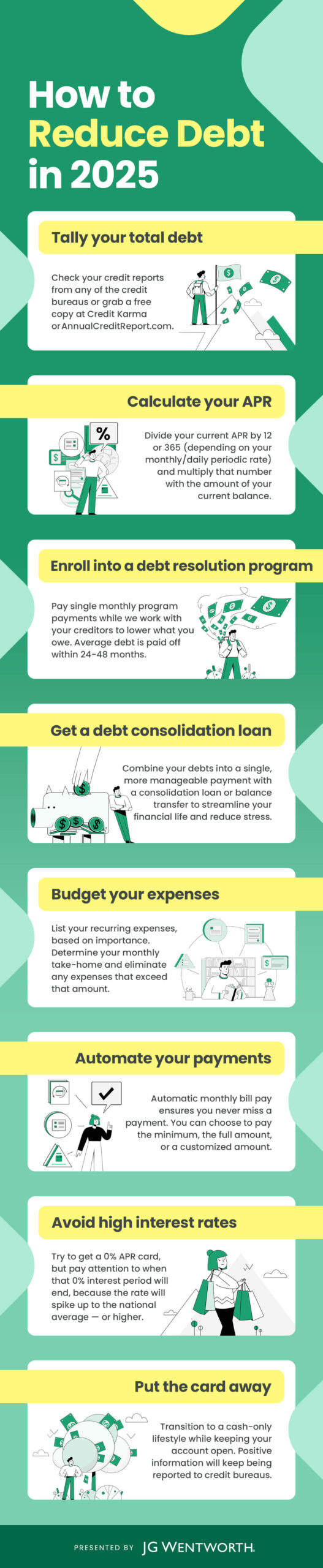
Equity Consolidation Guide for Local Residential Or Commercial Property Owners

Improving Your Financial Method With Regional Assistance
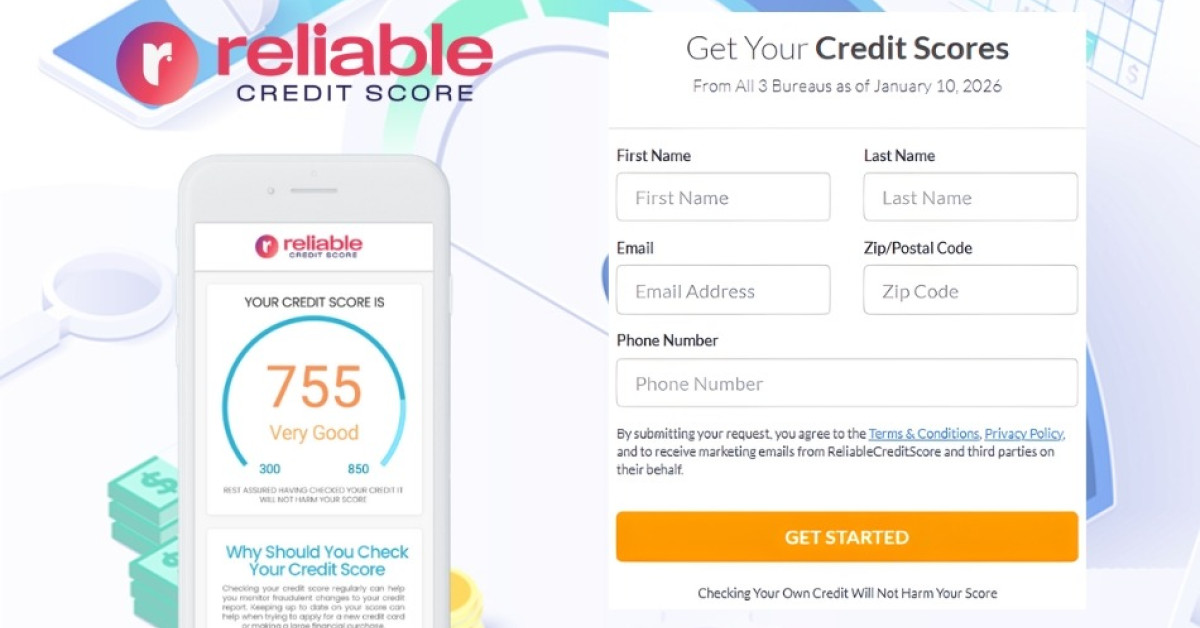
Restoring Your Credit Rating After the 2026 Economic Shift
More
Latest Posts
Equity Consolidation Guide for Local Residential Or Commercial Property Owners
Improving Your Financial Method With Regional Assistance
Restoring Your Credit Rating After the 2026 Economic Shift